Featured
Table of Contents
"Additionally, there's no details order for the phases of sorrow. Our first emotional response to loss may be anger and anxiety.
And our emotions can come in waves of intensity. Several individuals get irritated with themselves since they think they're regreting too long.
It depends on the person, and it depends on the loss. And keep in mind that there's never a time when we're completely "done" with pain; we just find out just how to make changes to the loss.
Despair is a complex process that differs from person to person. The 5 phases of sorrow rejection, rage, bargaining, clinical depression, and approval are a practical structure for thinking of grief, however it doesn't suggest we'll experience every stage. We can experience these elements of despair at different times, and they don't take place in one particular order.
How EMDR Heals the Neural Pathways in Healthcare Professionals

You just went via a separation. You lost your work. You're unable to achieve the goal you have actually been pursuing. Think it or not, every one of these are some kind of pain or the experience of dealing with loss. As we work our means through experiences like these, we're most likely to undergo different stages or emotions from rejection and anger to sadness and resentment.
Prior to we dive right into the five phases of pain, it's practical to recognize what grief is. Merely placed, pain is the experience of coping with loss.
Grief can additionally originate from any modifications we experience in life, such as relocating to a new city or institution or transitioning into a new age team. The reality is that we all experience a specific level of sorrow throughout our lives. While some losses are a lot more extreme than others, they are no much less actual.
Why Healthcare Professionals Benefit from Tailored Treatment in the Los Angeles Area
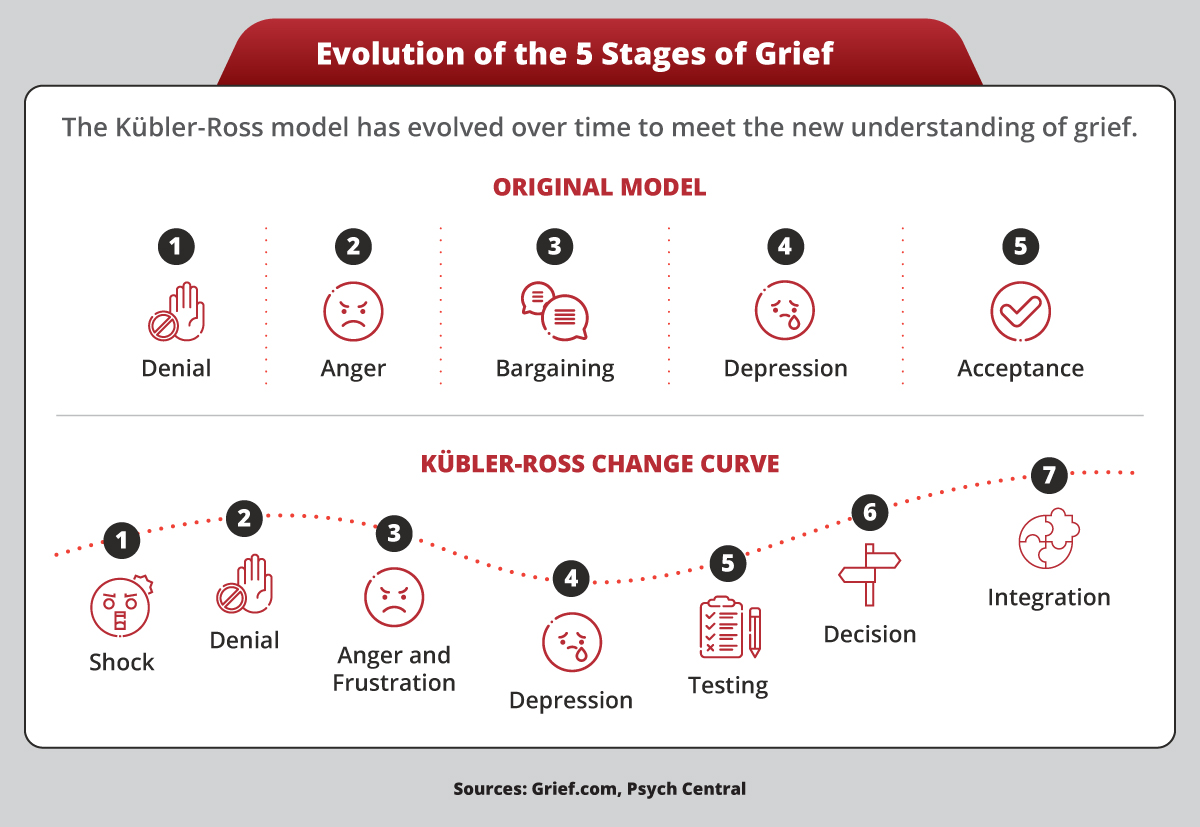
Many scientists have committed years to studying loss and the feelings that accompany it. One of these specialists was Elisabeth Kubler-Ross, a Swiss-American psychiatrist. She interviewed over 200 individuals with incurable health problems and identified 5 common stages individuals experience as they grapple with the realities of their approaching death: denial, temper, negotiating, anxiety, and approval.
Kubler-Ross's job focused on pain feedbacks from people who are passing away, numerous of these stages can be used to pain across any type of type of loss. We may feel like we approve the loss at times and then move to an additional stage of sorrow once more.
Concrete Tools for Embarking on Your Therapeutic Process with EMDR Therapy in Los Angeles
Exactly how much time we invest navigating these stages differs from person to individual. It could take us hours, months, or longer to refine and recover from a loss. With that in mind, allow's take a better check out each of the 5 phases of grief: For many individuals, denial or pretending the loss or modification isn't occurring is typically the very first response to loss.
Eventually, when we're grieving, we can start the recovery procedure by permitting the feelings and emotions we've rejected to resurface. Many individuals will additionally experience anger as part of their sorrow. According to Kubler-Ross, pain from a loss is frequently redirected and revealed as rage. Simply put, temper is a means to conceal the many emotions and discomfort that we're lugging as a result of the loss or modification.
Also though our sensible mind recognizes they're not to blame, our feelings are extreme and can quickly override logical reasoning. While we typically assume that anger is an unfavorable feeling and something to be prevented at all expenses, it actually offers a function and is an essential part of recovery.
Bargaining is a phase of despair that helps us hold onto hope during extreme emotional pain. It's an effort to help us regain control of a circumstance that has made us really feel exceptionally prone and helpless. It's additionally an additional means to assist us postpone having to deal straight with the sadness, confusion, or hurt.
Essential Factors in a IFS Therapist Who Gets Professionals
Clinical depression is commonly likened to the "silent" stage of pain, as it's not as energetic as the anger and bargaining phases. Signs and symptoms of clinical depression can manifest themselves in various ways.
Simply like the other phases of pain, clinical depression is experienced in different methods. Instead, it's a natural and proper action to despair.
Instead, As an example, if we're regreting the fatality of a loved one, we might be able to share our thankfulness for all the terrific times we spent with them. Or if we're going through a separation, we might say something like, "This truly was the finest thing for me." In this stage, we might come to be a lot more comfy getting to out to friends and family, and we might even make brand-new connections as time goes on.
Below are three common mistaken beliefs about grieving that we could believe when we consider our own or somebody else's means of grieving: Among one of the most typical misconceptions concerning grieving is that everybody undergoes it in the exact same way. As we've established, regreting is an unique trip that is various for everybody.
Performance Anxiety in Therapists
"In addition, there's no details order for the stages of sorrow. Our first psychological response to loss could be anger and depression.
And our emotions can come in waves of strength. Lots of individuals get annoyed with themselves since they think they're regreting too long.

Latest Posts
Self-Preservation Establishing
Resources in Falls Church, VA
Healing Self-Blame With San Francisco Therapy