Featured
Table of Contents
The difficulties of the 21st century require both the requirement for enhanced self-awareness, and the life-affirming interconnectedness with household, job, good friends, and society all at once. Given, since we are all really different people, one's needs for connectedness at the office may pale in contrast to the connections with culture in basic.
Over the past a number of years, research study has actually disclosed that it is as reliable or much more efficient than behavior treatments such as cognitive-behavioral treatment (CBT). Psychoanalytic specialists emphasize that the treatments which deal with many psychological health issues by exploring subconscious issues are specifically efficient for those experiencing multiple individual, economic, and social stress factors.
The theories of deepness psychology concern the whole of human experience, not simply those with identified psychological health and wellness problems. The theoretical frameworks of deepness psychology hold strongly to the worth of exploring the subconscious and bringing it right into conscious awareness. We are all component of a globe in which we must really feel gotten in touch with the office, community, and society in which we live.
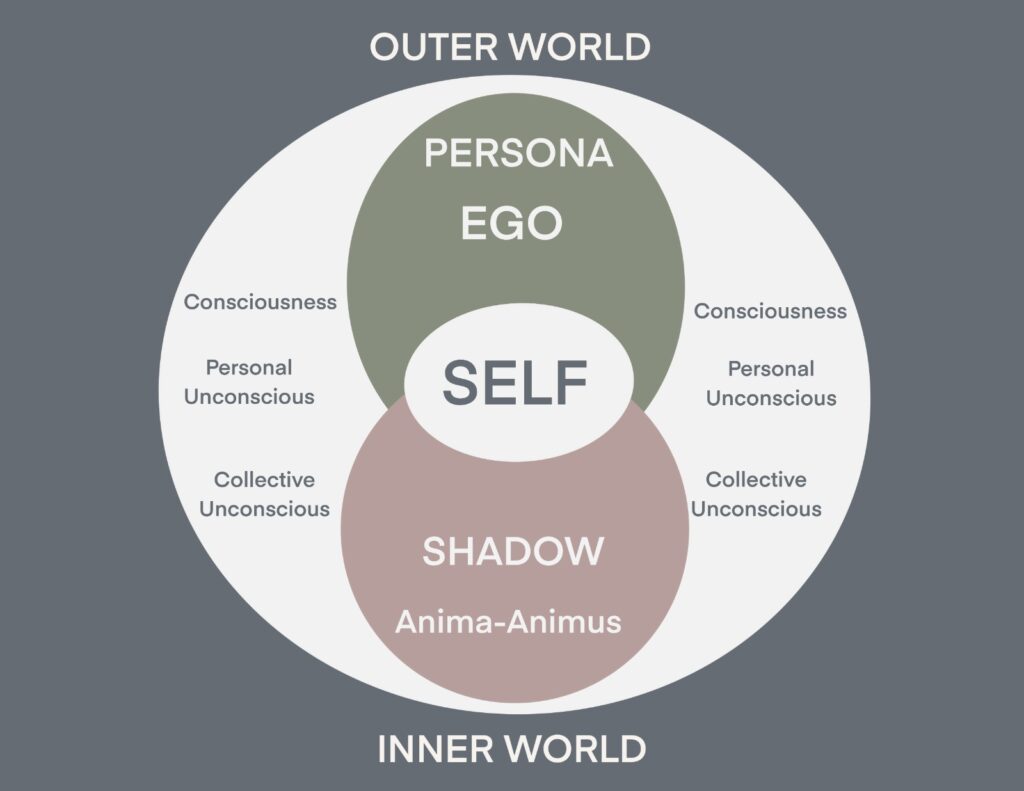
2 of these, the personality and the anima/animus, are relational; the persona associates to the external globe, and the anima/animus to the inner world. The vanity, which is mostly body-based and might be recognized as the executive part of the individuality, stands together with the shadow, and these two are to do with our identity.
Understanding the Mind-Body Connection in EMDR therapy

An individual could believe that to be assertive is to be self-indulgent; so he goes with life being pushed around by others and deep down fuming with resentment, which in turn makes him really feel guilty. In this instance, his potential for assertiveness and his animosity both develop component of his darkness.
It might be helpful to consider the shadow in an upright method. On top is the individual darkness it may really feel rather black, formless and underdeveloped along with unwanted and disowned. As we have seen, whilst it might really feel like a cess-pit it can also be a treasure chest.
Why EMDR Treats Early Trauma
This, like the individual shadow, is relative in that it will remain in part culturally determined. It is composed of that which opposes our conscious, common and cumulative worths. As an example, women circumcision serves in some cultures; and abhorrent to members of other social groups. Something like paedophilia, however, is a transgression of a taboo, which seems to be globally promoted.
The trouble of wickedness is one that Jung explored with his document with the Dominican, Fr Victor White, and with his works, specifically "Address to Task". Just how is the shadow run into? I may start to observe that a lot of various other individuals are rather greedy.
What are several of the disowned elements of the psychosomatic unity that we call a person? The body is an excellent place to start. Its form is bothersome for some individuals, who do not feel physically joined-up; others do not like or hate their shape and go to alarming sizes to alter it; others feel quite incorporeal.
The Foundation for Successful Anxiety therapy
There are sexuality and sex and their accompanying anxieties and pressures. In regards to human development, when babies can experience, take pleasure in and stay in their bodies, they can then learn, with their mommy's help, just how to equate feelings into impacts. For instance, "butterflies" in the belly can suggest "I am nervous/feeling shy/afraid of that authority number and so on".
Many people who seek therapy come with an entire number of emotions locked behind a protective wall of armouring, which prevents closeness with themselves and others, true intimacy and problem. Favorable and negatives sensations are projected onto those around them, and with the estimate goes the capability to assume plainly regarding circumstances and connections.
It omits pity; we all have a tendency to feel embarrassed of our shadow, some cripplingly so. In the very early phases of his autobiography, Jung makes constant recommendation to his mom's use embarassment as a means of technique. However neither Freud neither Jung paid much attention to pity, although they both endured substantially from its results.
For the shadow to emerge without conquering the ego with the harmful results of pity, we each require a various relational and emotional atmosphere; evaluation, psychiatric therapy, counselling all of these deal such a setting in various means. The therapist provides consistent positive regard, expressed partially with a dedication to dependability, continuity and the dream to share his/her understanding of the client's internal and external globe with the individual.
Understanding the Effects of Childhood Trauma on Adulthood
The person begins to trust the specialist; and this count on deepens when darkness components of the client entered the therapeutic connection, where they are accepted with empathy and efforts at understanding. If all goes well sufficient, they are exempt yet again to displeasure, shaming or rejection, and the energy which is secured within them is launched.
This process, the assimilation of the shadow, leads to self-acceptance and self-forgiveness. Grievance and blame pave the way to the taking of obligation and efforts at sorting-out what comes from whom. An intense conscience, which often tends to be self- and other-punitive can relax, and individual values can be embeded in counterpoint to collective principles.
The charlatan is ideal represented, probably, by the number of Hermes, who provided Pandora ('the all-gifted one') audacity and cunning. In Western society it is the wolf that brings us near the globe of darkness at its more sensual degree. De Vries (1984) cites the stereotypical high qualities of the wolf: untamed nature, fertility, lust, viciousness, murderousness, avarice; "the diabolical, melancholic starving" that can acquire more humane characteristics.

Latest Posts
Psychological Makeup in Depth Psychology in Chicago
Body Acceptance Therapy in Trauma Healing
Recognizing How Intergenerational Trauma and Perfectionism