Featured
Table of Contents
One of the things the group participants located valuable, she remembers, was developing interaction and boundary-setting skills that they might use with their relative. The team chatted a lot concerning exactly how to stay calm, manage their body language and keep an analytical (instead of condemning) focus when having "endure dialogues" with member of the family about habits and patterns that had been taken on due to generational injury, she says.
This client's need not to pass on her injury responses to her children, along with her anxiousness concerning being poor and abusive, is what led her to seek counseling, Guyton includes. When the customer started to discover her family members history, including the stress her granny encountered as she emigrated from her Caribbean homeland to the USA, she recognized "I need to speak to her," Guyton recalls.
Layered Trauma in Cross-Cultural Contexts
Guyton then motivated the customer to talk to her grandmother and share how she was feeling. The customer reacted by saying, "I see you, Granny.

Since we have some distinctions in our identities, what challenges might we have in interacting?" Goodman urges counselors to broach this subject not only at the beginning of therapy collaborate with a customer however additionally with normal check-ins throughout the connection. "We [therapists] each have to figure out for ourselves language that is genuine for us" to foster these discussions, she states.
"Privileged teams can still have generational injury, even though it's not discussed as much," she states. "Any person that has actually experienced injury can pass it down. Do not make presumptions. This affects us all in some method, shape or type." In her book Everything about Love: New Visions, the late bell hooks wrote, "Hardly ever, if ever, are any of us healed alone.
Starting Your Healing Journey
The reality is that clients do not stay in a vacuum cleaner; they can work toward healing separately in therapy yet will eventually go back to live within their society and household system, she keeps in mind."Generational trauma is just that a specific whose injury is perpetuated within family and culture," Petion includes. With this customer populace, practitioners must "believe beyond the individual resting in front of us" in therapy, she emphasizes, and focus on how they are healing in link to their family and neighborhood.
At the very same time, counselors need to keep in mind that it might not be the client's duty to "repair" or heal their household or community, Mike warns. "They may require to make peace with healing themselves without taking on whole systems," he claims. Generational injury "can be a biological thing, an emotional thing, a social thing.

Point of views expressed and declarations made in write-ups showing up in Therapy Today do not necessarily stand for the point of views of the editors or policies of the American Counseling Organization.
It can really feel both beating and validating to discover that the concept of generational injury resonates with you. On one hand, it can be reassuring to recognize that you're not "insane" or alone in this experience. On the various other hand, you could not know just how to progress with this information.
Understanding Generational Trauma Manifestations
There are lots of wonderful resources available, including videos, social media sites posts, and podcasts. Beyond online content, I additionally motivate you to discover some generational injury publications. It can be extremely validating to speak with individuals with comparable experiences, including researchers with a deep understanding of these dynamics.
AEDP is supplied to adults in private or pairs therapy. Session size is figured out on the specific client needs. AEDP is commonly supplied in outpatient treatment facilities or exclusive technique setups. Thought about a quick kind of psychodynamic psychotherapy, therapy size is longer than that of most manualized trauma-focused treatment designs, and generally ranges from 6 to eighteen months.
Singular or regular pairs therapy sessions can be incorporated as required to support the primary client. Treatment tends to be long-term, with therapy duration commonly going beyond one year. IFS is a therapeutic technique which sees the internal system as having subparts or subpersonalities, each with unique systems of being internally organized to finest offer the setting an individual is in.
Somatic Symptoms of Cultural Trauma
This self includes an individual's strengths and skills which naturally overviews a person to a healthy and balanced life or recovery. IFS' goal is to accomplish balance within the internal system by: setting apart the self from other subparts, enabling the self to lead with subparts support, andallowing all subparts to exist with participating, non-extreme intent.
Because of its individualized nature, length of therapy is dependent upon the demands of the customer(s). IFS is frequently facilitated in an outpatient setting. Acknowledging the specific challenges experienced by grown-up survivors of complicated injury, STAIR/MPE is a two-phase therapeutic intervention focused on skill structure and exposure-based therapy in the context of an understanding and trustworthy partnership.
Clients are supplied with skill training to: enhance law capacities, improve distress resistance, andexplore brand-new approaches of involving with and relating to others, setting the foundation for the 2nd stage of treatment. Stage two sustains customers in more processing through stressful circumstances making use of a changed version of long term direct exposure. Via, clients are revealed to trauma-related memories to: increase understanding of the client's affective and emotional experience, method guideline skills, andprocess through difficult styles such as denial, pity, loss, and dishonesty.
How EMDR Addresses Generational Wounds
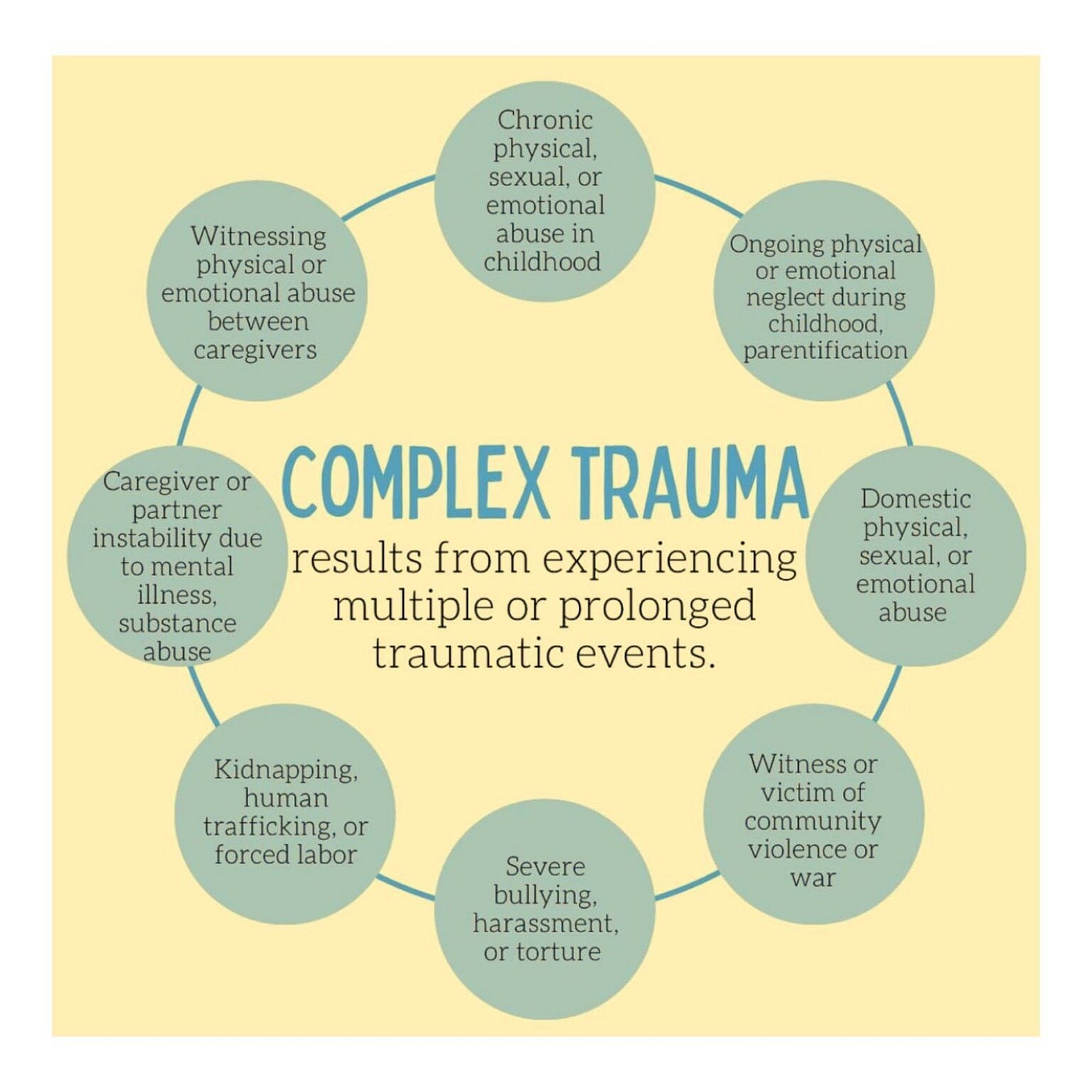
These experiences can leave long long-term signs and symptoms well after the occasion mores than. When it comes to developing injury, trauma which is generally relational and recurring overtime, a person may not recognize how their previous experiences can be linked to a variety of signs and symptoms. Difficulties with connection to others, an overall feeling of stress and anxiety or dread, a total numbness or feeling of not being fully to life are some of the reasons to check out injury therapy.

Latest Posts
Getting Ready for Your CA Therapeutic Retreat Stay
Nervous System Responses to Touch After Trauma
The Betrayal Factor